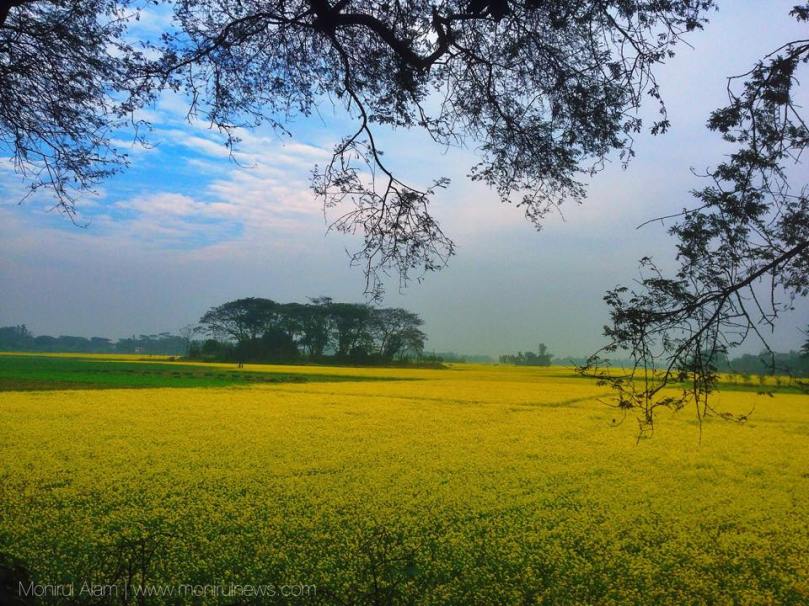
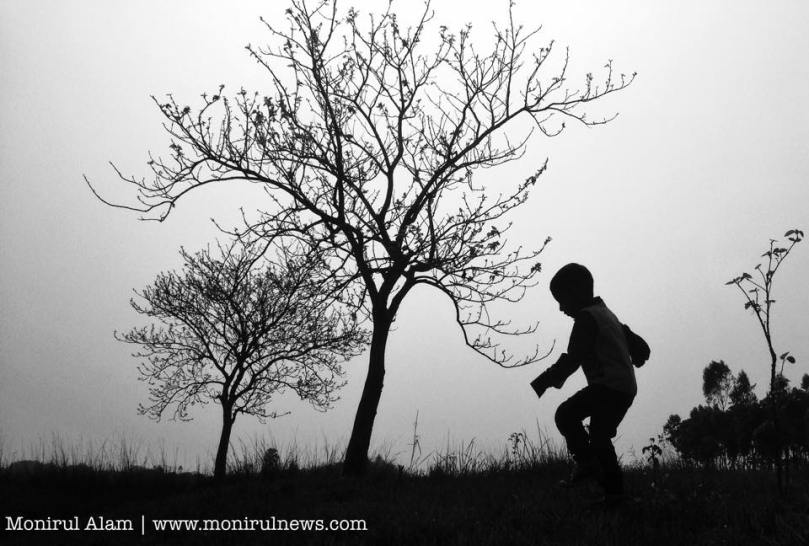
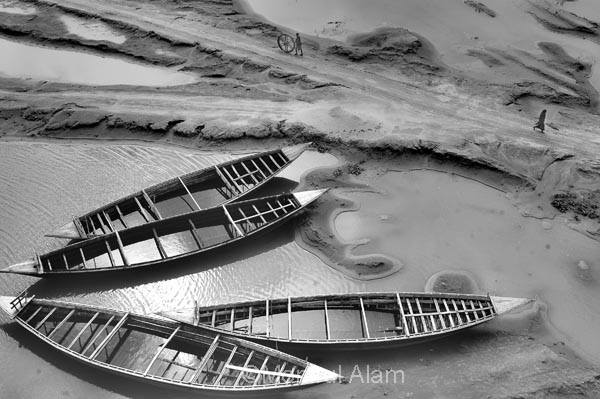
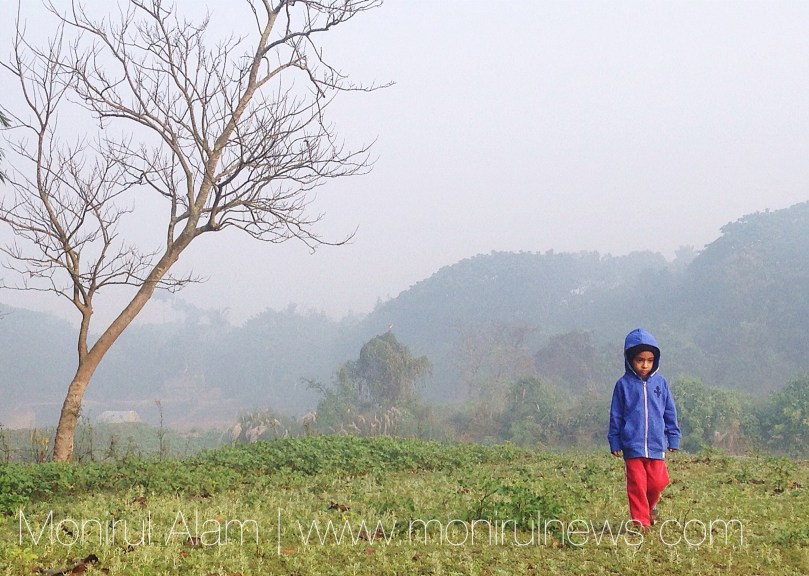
Inspiration ! You feel something, to do creative something,Yes, it is important word in my life, I remember it in my own creative vision. I started my photographic journey in 1994 from BPS, Bangladesh Photographic Society with my small camera Pentex ME Super, a short basic photography course afterwords completed my three years Graduation from Pathshala, South Asian Media Institute, my professional drives with Prothom Alo Newspaper as a deputy chief photojournalist.
I always learn in my time, I learn from my mistake, I learn from other works. I think it is a big influence to me for betterment of my own work. I sharing my photography thought with you, it may help yourself towards in your own photographic drives, remember the word ‘Inspiration’ You feel something, to do creative something.
Whenever I go, I always carry on my camera, let you know nowadays every one use smart phone camera with great MP image anyway, it’s my tool to capturing the images, I see in my life that around me and I captured it, I feel from my heart.
A few years ago during my photographic shoot in Old Dhaka on the subject old building wall with beautiful green plant and fallen beautiful light ray, I took it afterwards my friends said, you really mad guy’s, yes I am still mad guy’s about my photography passion and my photographic profession.
I would like one think, I share my photographic experience with you, so that I writing down it and share with you. Here, I am discuss about the Landscape Photography from my practical experience. I think it’s may help you during your photo shoot.
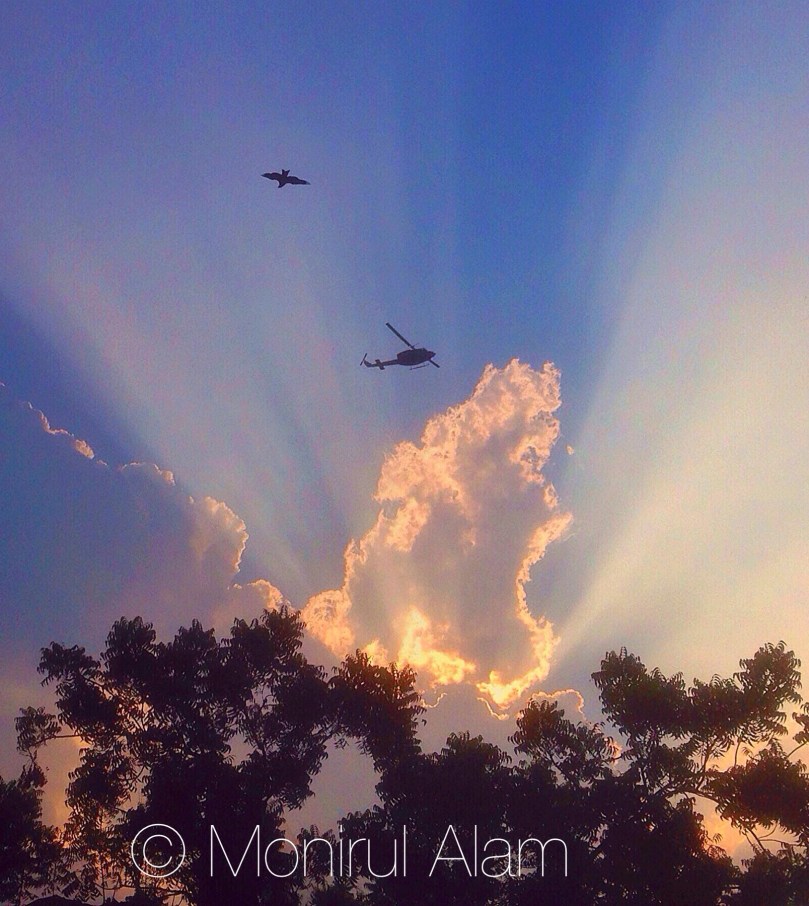
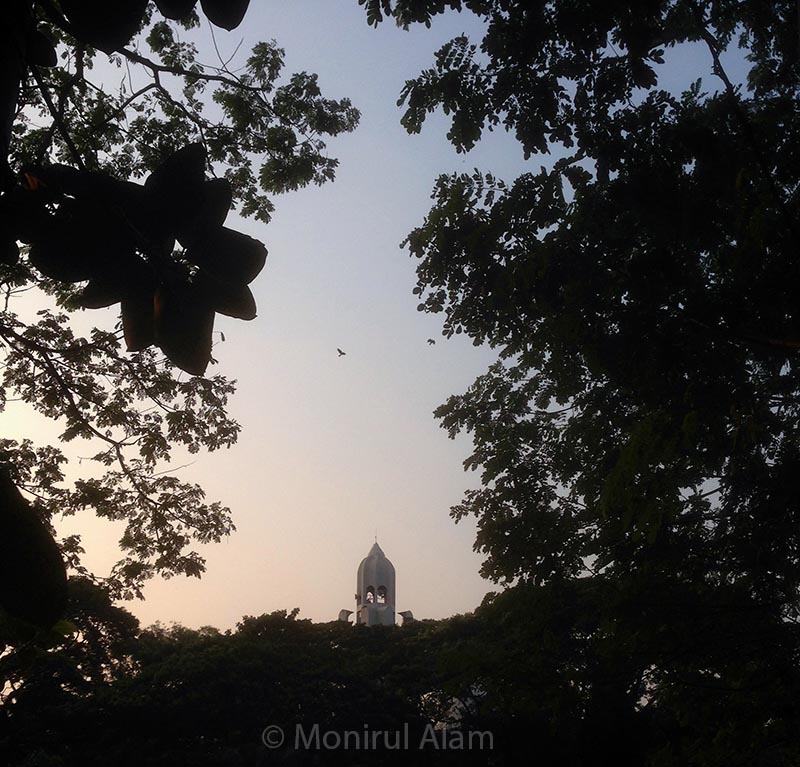
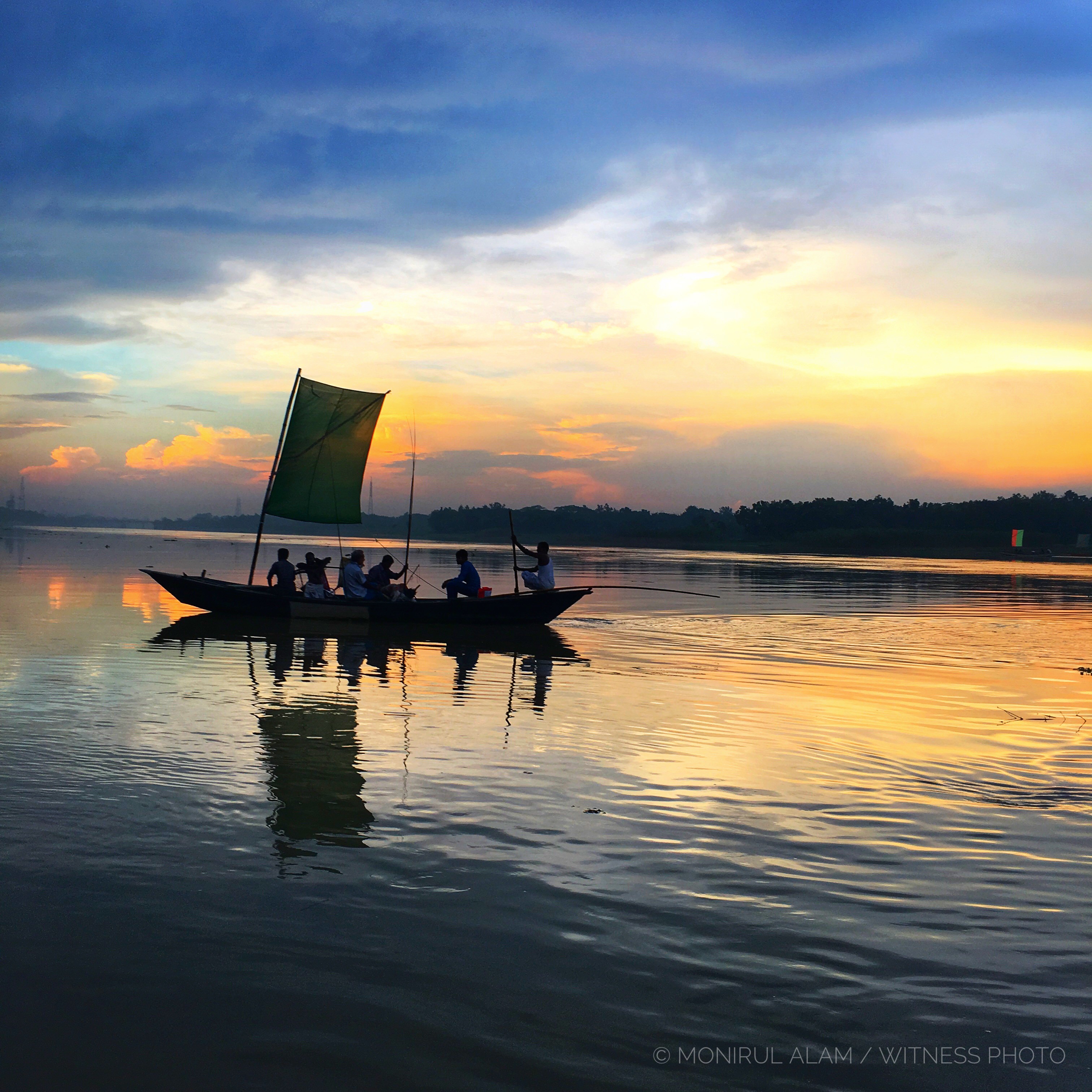
As a professional photographer point of view to takes a better landscape photography, you can only shoot two times. In order to get a good landscape, you shoot early in the morning and evening, so keep in your mind to get planing in your traveling,anyway. The other time is as well as good for documentation or photo-journalistic purpose, but to get ‘Dreamlike Landscape Images’ using those magic times to get an amazing result. Keep in your eye to draw by lines, angles, textures, contrast and light with the right compositions and aesthetics that is very important to takes Dreamlike Landscape Images.
MORNING TIME: About 15 minuets before sunrise and than form 30 minuets afterward.
EVENING TIME: About 30 minuets before sunset and than form 15 minuets afterward.
WHY: Because it’s the only time you get the soft, warm light and shadows, that’s given you professional quality lighting for landscape photography. Professional Landscape Photographers shoot at those two time of day. It’s a golden rule of landscape photography.
CAMERA SETTING & OTHER THINGS: Aperture Priority (AV), Manual (M), Program (P) and Landscape mode is better for shooting time. Must shoot in RAW mode for viewing purpose to shoot in JPG mode. ISO setting is to set up 100 up to 800 it’s depend on level of light. Set up your camera into Auto White Balance for avoiding other compilation. Lenses are use Normal, Standard Zoom, Telephoto and Wide-angle lenses, it’s depend on your lenses accessibility, try to get maximum f-stop (Depth-Of-Field, DOF) keep in your Flash to use it if necessary for fill-light and must use in your Tripod.
Before shoot landscape must see the Muster Landscape photographers works through the Web and than not to copy their works to see for experience.
Note: Landscape Photography TIPS discussion written by Monirul Alam Photojournalist. Fell free to contact withnessphoto@gmail.com
Notes: All images,videos, ART and text in this site is copyrighted. Please don’t use any image without written permission. Please contact witnessphoto@gmail.com
Web: https://monirulalam.net/
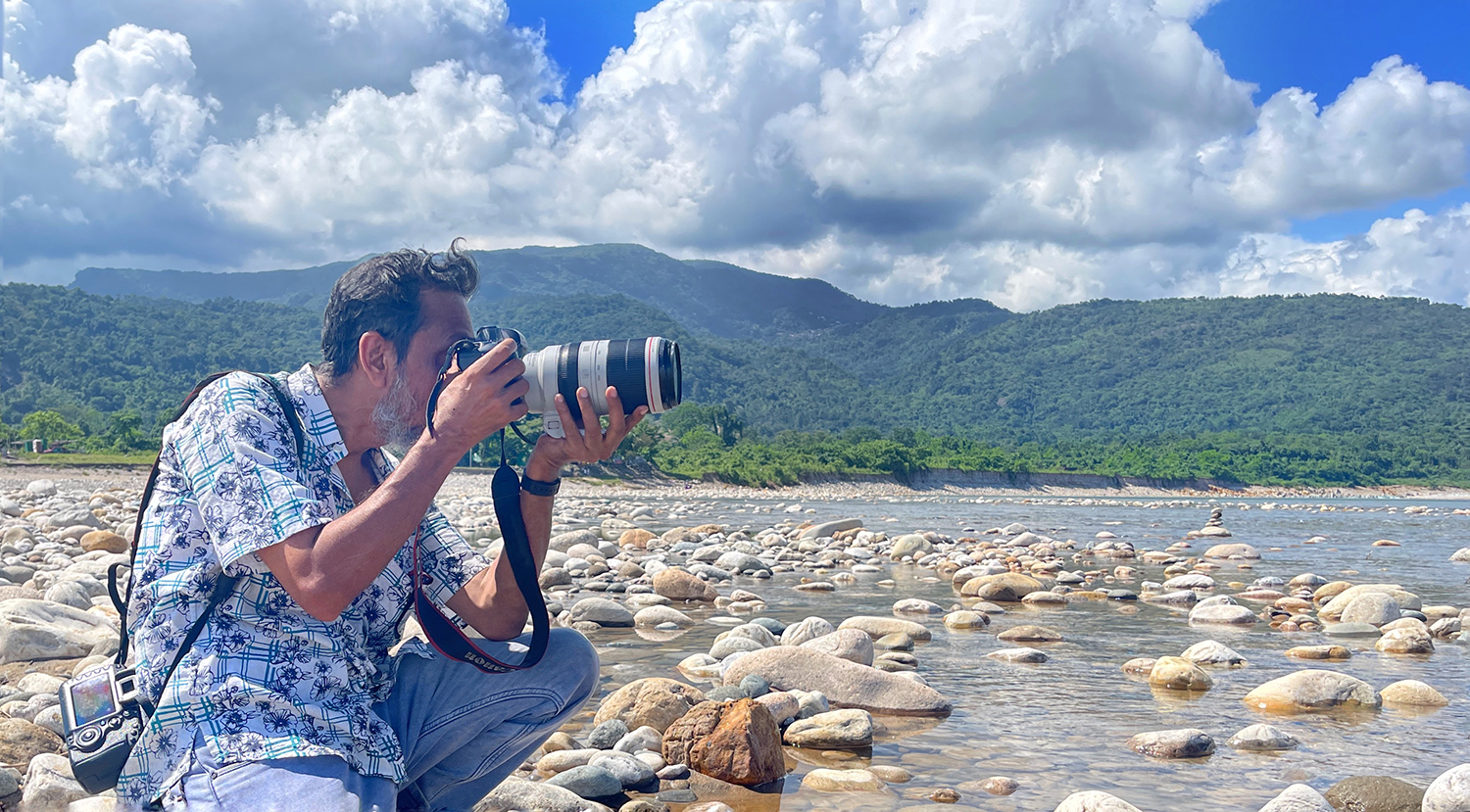

 MONIRUL ALAM