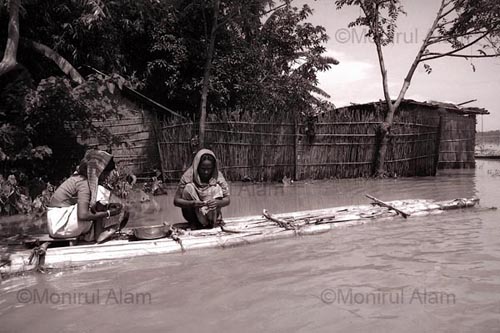
Rafiqul has been forced to move 22 times in as many years, a victim of the annual floods that ravage Bangladesh. There are millions like Rafiqul, in Bangladesh and in the future there could be many millions more if scientists’ predictions of rising seas and more intense droughts and storms come true.Climate change touches already every corner of the world and every aspect of people’s lives. As the global temperature increases, its impacts will become even more extreme.The impact of climate change World is already facing food and fuel crises.
World Bank and IMF have sounded a larger alarm push 100 million people in low-income countries deeper into poverty.Bangladesh is a country that stands to be one of the first to suffer from global climate change. As Dr. Atiq Rahman of the Bangladesh Center for Advanced Studies says: “Bangladesh is a resilient country. We have shown the world that we can adapt, that we can confront things, that we are not just passive victims of disasters.”
The IPCC warns of devastating floods, drought, extreme weather, hunger, and disease across the world in decades to come. The Bay of Bengal regularly serves catastrophic cyclones and floods. With few natural resources, bursting cities and poor infrastructure, the small nation is certainly beset with troubles both natural and manmade. But Bangladesh may yet become our best example for how both big and small adoptions can make a difference for people to survive on a warming planet.
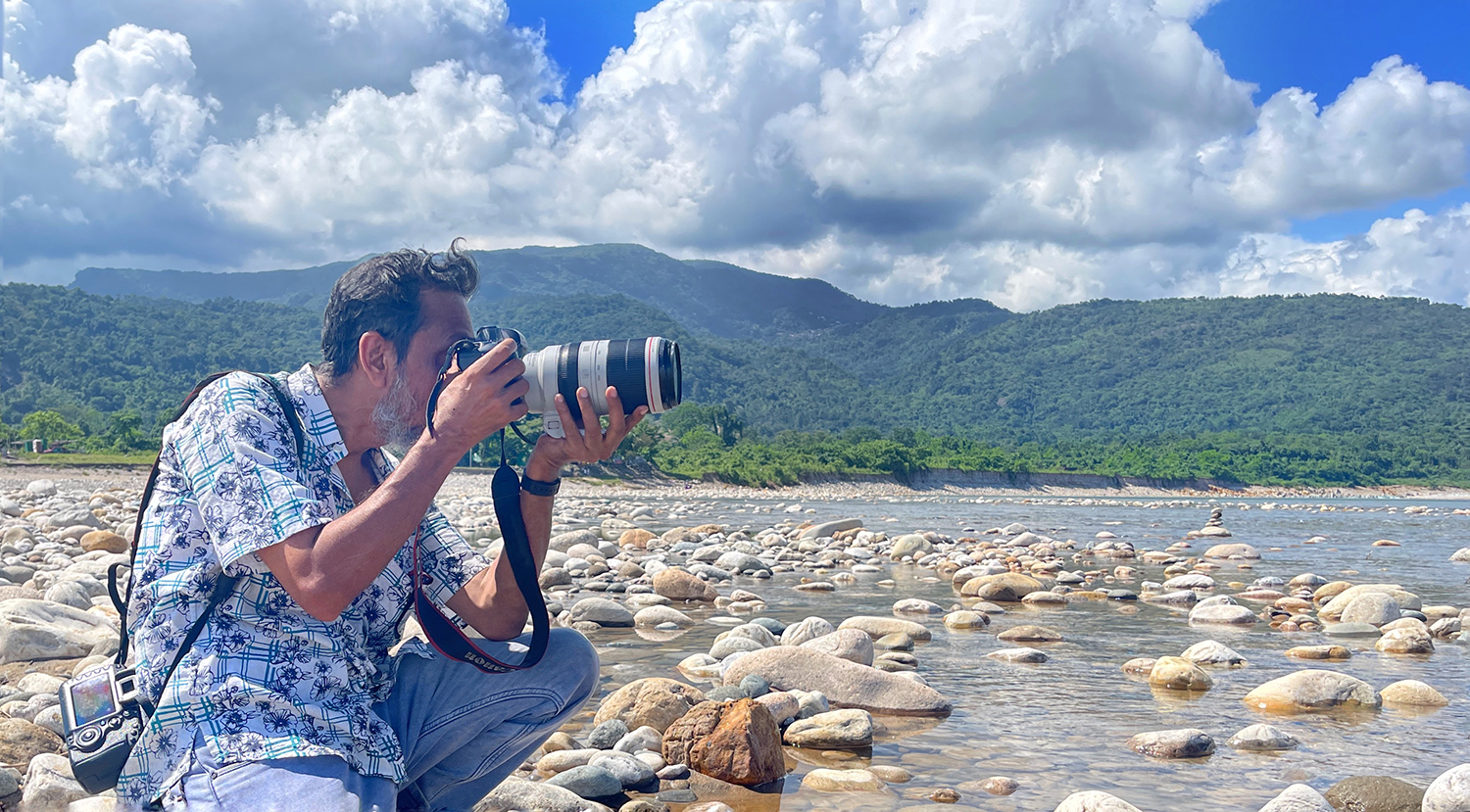
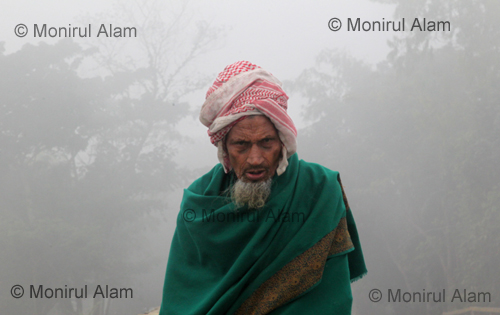
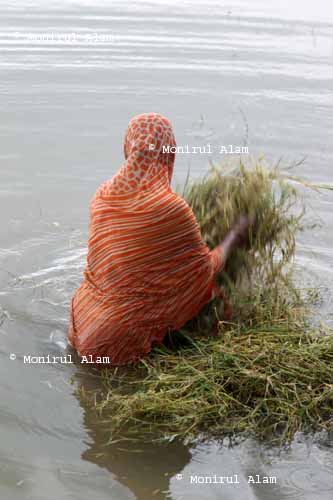
Bangladesh already accelerates it and now a glimpse of everyone’s future.Photojournalist Monirul Alam as an eyewitness ,he covered in his own country , who struggle against nature .
Climate change touches already every corner of the world and every aspect of people’s lives. As the global temperature increases, its impacts will become even more extreme. The impact of climate change world is already facing food and fuel crises. World Bank and IMF have sounded a larger alarm push 100 million people in low-income countries deeper into poverty. Bangladeshi is a country that stands to be one of the first to suffer from global climate change, and the time to act is now. Analysts say it could trigger a migration the size of which the world has never before seen. Some of the big questions remain unanswered. I began to document of marginal condition in my own country. Increasingly severe floods, cyclones and other climate-related changes have already forced the migration of many
Note: Please click the link page to see the full stories and send your opinion

 MONIRUL ALAM