Sacred people & Installation work

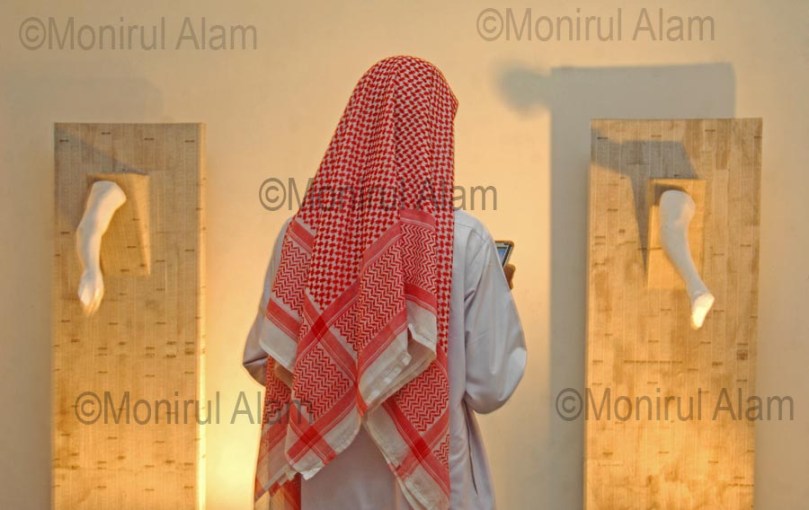
National Museum located in the Dhaka city. I observe many interesting thing inside the gallery. People asking many query and express their feeling view very closely specially in sacred people those are not familiar this kind of work. This is one of my selected photos with the series of sacred people & installation work. March 2009 Dhaka, Bangladesh.

Sacred people & Installation work

Photo: Monirul Alam

Displacement & Migration

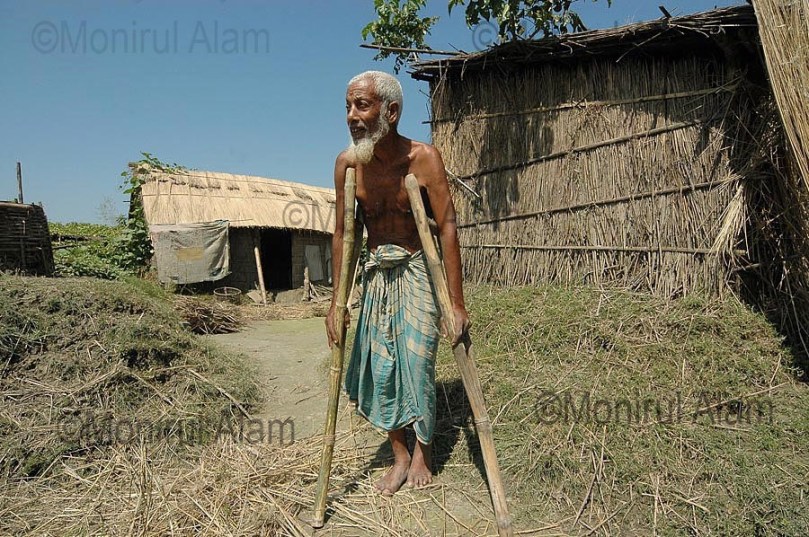
Actually I documented past five years under theme of “climate refugee of Bangladesh”. For my project I went to the north part of Bangladesh located Kurigram district, Musullir Char near Dharla River which is link with the Bank of River Jamuna. People are commonly known Monga area. I documented their lifestyle and struggling position, my observation is that, they are already migrant and displace their original root.
Finally I get down that area, huge number of people around me and looking my camera they are very curious about my camera specially children. May  be first time they see this kind of camera. I spent more time and listen their problem. An old age man Rafiqul said, “We only depend on Allah. You are the first visitor to arrive this area, No one can visit our area but we survive, we struggle very inhuman life.”
Rising sea levels and the growing number of natural disasters forced by climate change are already driving migration and displacement. What I am doing for them. I think through my photo stories to make awareness the world’s people who are doing something for them. This is one of my selected photos which I use my blog. October 2005, Kurigrame, Bangladesh

Displacement & Migration
Photo:Monirul Alam

World Water Day

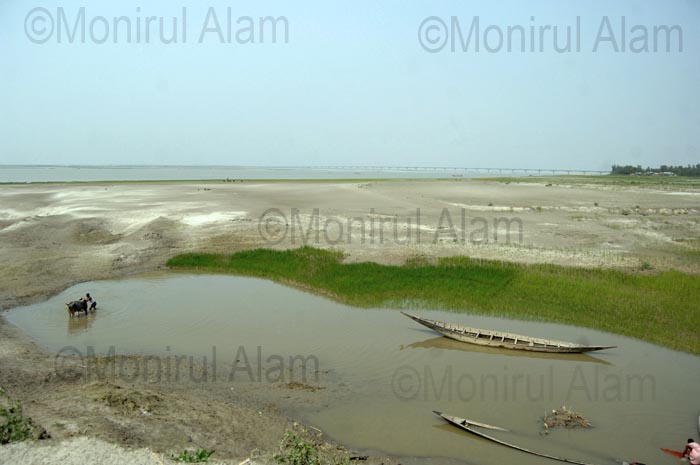
More than one billion people lack access to a safe supply of drinking water. Water-related diseases are one of the leading causes of disease and death in the world.As world water shortage increase and water quality deteriorates, the world must act now to protect its most basic resource. If no action is taken in the next few years, two thirds of the world population will suffer from water shortage by 2025. Near Jamuna river north part of Bangladesh. March 2008.

World Water Day

Photo:Monirul Alam

Diarrhoea Patient Loaded

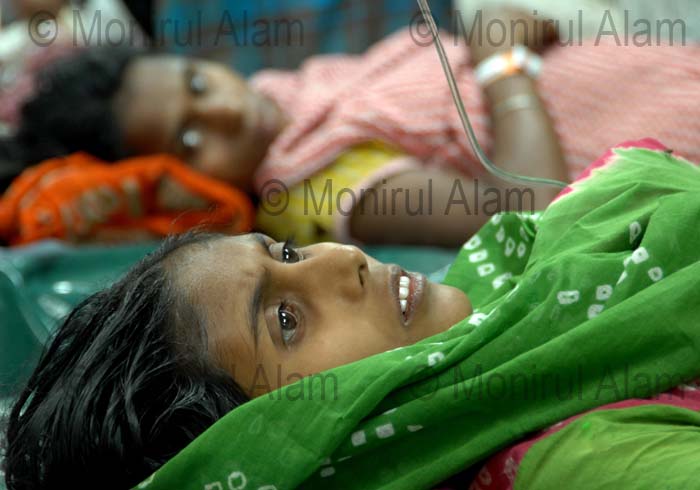
A young women lie down on the bed at the International Center for Diarrhoeal Diseases and Research, Bangladesh (ICDDR,B) she is badly suffering from diarrhoea. In the Dhaka city this season the rate is alarming. Over 600 new patients show up every day and the ICDDR,B authorities are struggling to accommodate them. Temporary tents have been set up on the hospital premises.

The situation is not likely to get any batter soon until the water supply in Dhaka is improves. The diarrhoea patients might linger during April and May as the temperature rises, said the scientists of ICDDR,B. The expert suggests that everybody should drink boiled water and avoid unhygienic food. March 2009. Dhaka, Bangladesh

Diarrhoea
Photo:Monirul Alam

Young Portfolio/Japan,2008

This year 2008, some of my works published on the The Kiyosato Museum of Photographic Arts Japan .Its has established three basic principal for collection,exhibition and preserving photographic works. The Young Portfolio represents the Museum’s wish to collect works by young and emerging photographs for its permanent collection.

kiyosato-museum_young-portfolio

Photo:Monirul Alam

Basundhara Fire

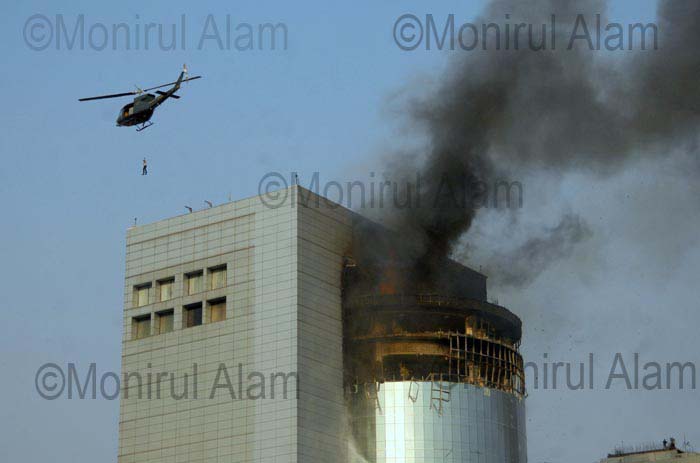
At least seven people died and 50 others were injured and six top floors burnt after a massive fire broke out at the Basundhara Group’s corporate office building above a shopping mall in the capital of Dhaka. The blaze that started around 1.30 pm was brought under control towards evening after firemen spent over 5 hours fighting the leaping flames that spread downwards from the top floors of the 21-storied building. When it was first opened to the public in August 2004 the owners of Basundhara City claimed it to be the largest shopping mall in South Asia and the 12th largest in the world. 13 March, 2009 Dhaka, Bangladesh
mon_0416
Photo:Monirul Alam

Published my HIV/AIDS stories on Observers France 24. com

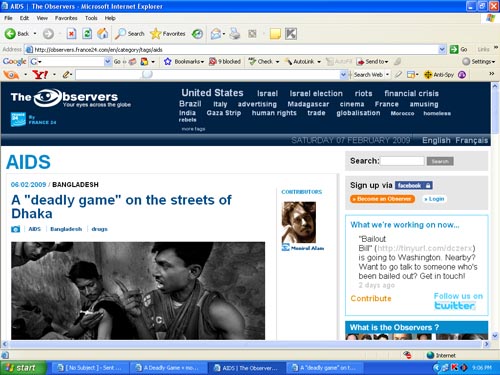
A “deadly game” on the streets of Dhaka

As antiretroviral treatments continue to make progress, the AIDS scare is finally calming down in the West. On the other side of the world however, the virus continues to kill. In Bangladesh, it’s drug users who are falling prey to this devastating disease. Our Observer in Dhaka sent us these arresting images.
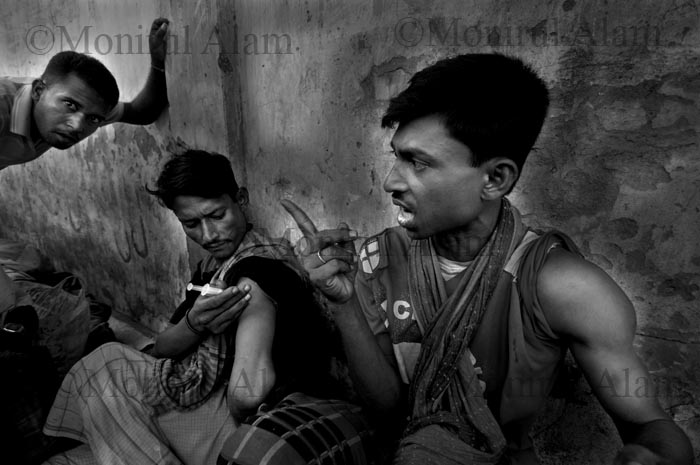
Ever since the first case of HIV was reported back in 1989, AIDS has been a quietly growing but deadly problem in Bangladesh – and in particular in Dhaka. Although the country as a whole is deemed by the UN to be “low-risk”, the disease is spreading at a worrying rate among one section of society: intravenous drug addicts who reuse dirty needles in the urban slums of the capital. According to UNAIDS statistics, the number of HIV-positive drug users more than doubled between 2001 and 2005. Health experts warn that the risk of an epidemic is increased by that fact that many of the addicts also admit paying for sex – and only 10 percent say they always use a condom. Our Observer in Bangladesh has been documenting the plight of these people for the past three years. Here is what he found: a “deadly game” on the streets of Dhaka.

When you talk to them you realise they are just waiting for death”
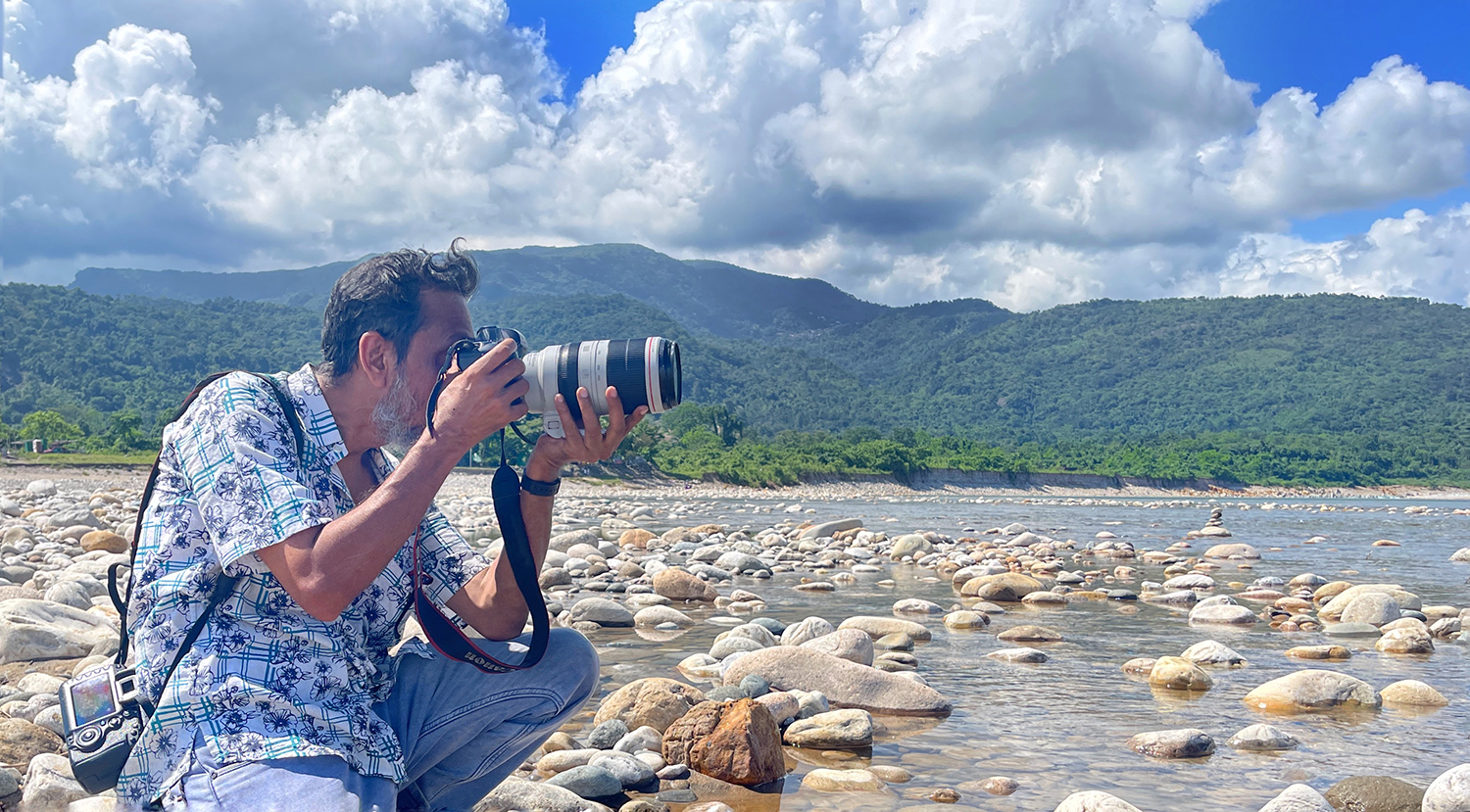
Monirul Alam is a noted photojournalist from Bangladesh. He’s worked with the local daily Prothom Alo, and also foreign publications including Time and Newsweek. He has a blog https://monirul.wordpress.com/

“Most of these people are young, homeless and unemployed. Some of them don’t know anything about the disease they’ve got. Their frustration with life has led them to become drug addicts, and when you talk to them you realise they are just waiting for death because they have nothing else. Drug abuse is a growing national concern in Bangladesh. We have millions of drug-addicted people and most of them are between the ages of 18 and 30. And in Dhaka HIV is widespread too. The government and NGOs are doing very little – at least, not enough to help those who are infected.”

monir-1
Photo:Monirul Alam
alamf
Photo:Monirul Alam

See link:

http://observers.france24.com/en/content/20090206-deadly-game-streets-dhaka-bangladesh-heroin-drug-abuse-hiv-aids
Migrant Labour

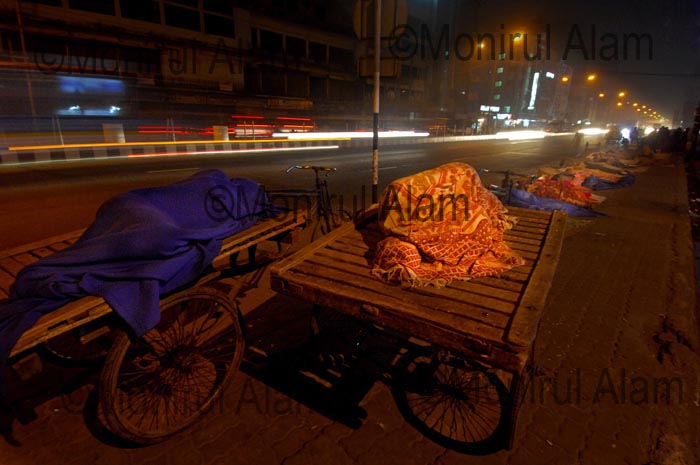
January 2009 Dhaka Bangladesh. A migrant’s people sleep on the street at Karwan Bazar at midnight. The migrants were lured by visions of money, food and a better life, but many of them failed to realize their dreams, and the rural poor became the urban poor.

Migrant Labour

Photo:Monirul Alam

Upazila Election

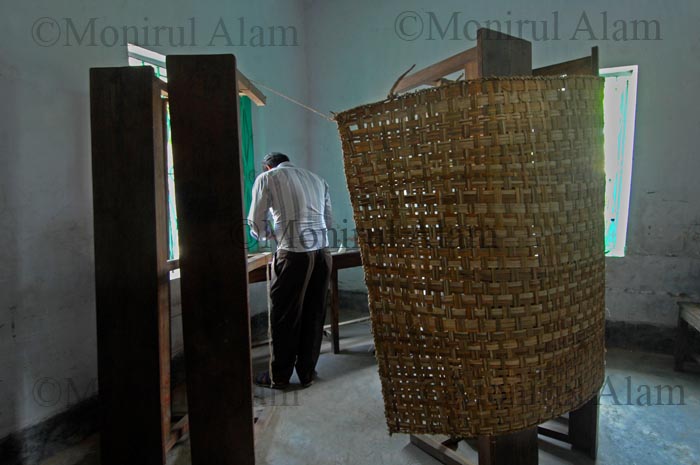
A young man casts his vote at a polling center in Karanigonj.Bangladeshi citizens exercise their constitutional rights by casting votes in the Upazilla Parishad Election 2009 after around 19 long years. 7, 32, 58,950 voters are expected to participate in this year’s poll. A total of 8,000 candidates are contesting for the 479 chairmen posts and the same number of vice-chairmen and women vice-chairmen posts in the Parishads. Simultaneously beginning in all parts of the country the election is to continue from 8 am to 4 pm. Kharaniganj,Dhaka, Bangladesh.22 January,2009
Upazila Election
Photo:Monirul Alam

A Deadly Game

HIV has become widespread in Dhaka city. Especially in mobile drug user which is using injecting twice time.According to health ministry as of last year,123 people died of AIDS,365 others got infected and 1207 found HIV positive.The first HIV positive patient in the country was identified in 1989. June 2008 Dhaka Bangladesh
A Deadly Game
Photo:Monirul Alam